Choosing the Right Freelance Website Designer for Your Aviation Brand
Choosing the Right Freelance Website Designer for Your Aviation Brand
Blog Article
Specialized website design for aviation businesses aims to create strong digital footprints. This encompasses copyright, aviation training programs, aircraft manufacturers, and service providers in the aviation field. An effective website design can lead to better customer engagement, heightened brand presence, and increased attraction of potential clients. It is vital to understand the unique characteristics of aviation website design to create user-friendly platforms that deliver valuable information while promoting aviation offerings. Before we go into the critical elements and strategies, let’s highlight the differences between aviation web development and standard website design the official site. Aviation website design serves as a vital link among various users, ranging from travelers to professionals in the industry, underscoring the need for aviation organizations to have an engaging online platform. Users typically look for specific details regarding flight schedules, pricing for tickets, and the specifications of aircraft when they visit these platforms. Hence, it is important to provide seamless navigation and a clearly organized information structure to effectively accommodate users' requirements. The incorporation of responsive design further enhances users' interactions, ensuring that websites are both visually appealing and functional across all devices, including mobile phones and tablets. As a growing number of travelers utilize smartphones for flight bookings and aviation services, having a mobile-responsive design is imperative. Companies investing in robust aviation website development often experience increased visitor traffic, improved visibility in search engines, and greater rates of conversion. When designing an aviation website, certain elements must be prioritized. Chief among these is website performance, as slow load times can frustrate users and result in higher bounce rates. Additionally, a strong content management system is essential for simplifying updates and maintenance, ensuring that flight information is always current. Furthermore, the use of visually engaging elements, such as high-quality photographs and videos, improves the overall user experience. Users are typically attracted to visually stimulating content that highlights an copyright's offerings. Additionally, providing straightforward booking features streamlines the customer experience, allowing users to complete transactions without unnecessary delays. Selecting the right aviation website design provider plays a significant role in your online success. Begin by researching reputable companies known for their expertise in aviation web development. Look for portfolios that demonstrate their previous work in the aviation sector, as industry-specific experience can greatly benefit your project. Requesting client testimonials and reviews is another effective step. This feedback provides valuable insights into the company's reliability and the quality of their services. Also, check for their proficiency in responsive design, as this will ensure your website caters to modern user needs across devices. Beyond just aesthetics, consider their approach to SEO. A well-optimized website improves visibility on search engines and attracts potential aviation customers. Collaboration with SEO companies specializing in aviation could further bolster your website's ranking potential. In this context, when looking for website design solutions, regarding what some expert providers offer. The expenses associated with building an aviation website can differ significantly based on several factors, including the website's complexity, features, and the proficiency of the design team involved. Typically, the cost for a basic aviation website development project may range from $3,000 to $5,000. In contrast, more comprehensive platforms that include advanced features can easily surpass $10,000 or more. It is important to consider additional factors like ongoing maintenance, regular updates, and the possibility of future improvements, all of which can influence the overall budget. Although it’s vital to keep an eye on costs, focusing on quality should also be a top priority. A well-crafted website is likely to provide substantial returns in both user engagement and new customer acquisition. For further insights into this field, take a look at the article on web design to learn about different principles that can improve your aviation website.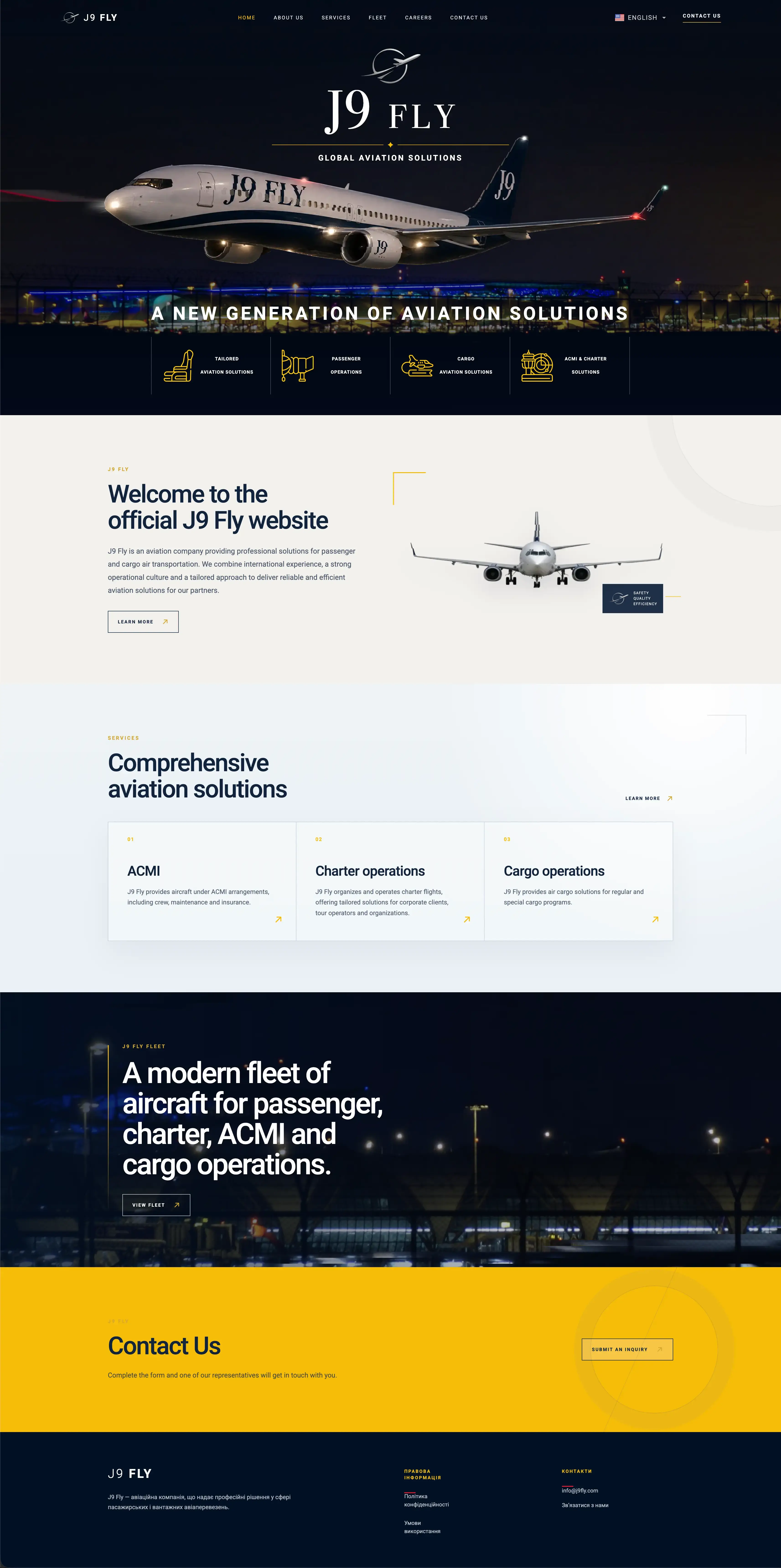 aviation website designaviation website design
 aviation website designaviation website design
The Significance of Aviation Website Design
Vital Components of Effective Aviation Websites
Choosing an Aviation Website Design Provider
Cost of Aviation Website Design
Video
Steps to Creating an Effective Aviation Website
- Identify Your Target Audience: Understand the needs and expectations of your users, whether they are potential passengers or business clients.
- Conduct Competitive Analysis: Research aviation businesses similar to yours to identify market trends and effective design practices.
- Define Your Website Goals: Determine what you want to achieve: increased bookings, enhanced brand awareness, or improved customer service.
- Choose the Right Design Team: Based on your needs, select a provider experienced in aviation web design and known for producing high-quality results.
- Develop Quality Content: Create informative, SEO-friendly content that addresses your audience's needs and highlights your offerings effectively.
- Test and Launch: Before going live, rigorously test your website on all devices to ensure functionality and responsiveness.
Best Practices for Aviation Website Design
Prioritize user experience by ensuring your website is intuitive and easy to navigate, with all vital information readily accessible.
- Keep your website design clean and straightforward to enhance usability.
- Optimize load times to improve visitor retention and satisfaction.
- Integrate strong calls-to-action to guide users towards making a purchase or inquiry.
- Update content regularly to keep it relevant and engaging.
- Utilize visual storytelling to captivate your audience and illustrate your brand’s strengths.
Frequently Asked Questions
What exactly is aviation website design?
Aviation website design involves developing websites specifically designed for the aviation sector, emphasizing user experience and functional elements pertinent to aviation-related services.
How should I select a provider for aviation website design?
Select a design provider who possesses relevant experience in aviation and showcases a strong portfolio, along with positive client feedback and a grasp of SEO principles and responsive design techniques.
What is the estimated cost of aviation website design?
Costs typically vary, starting at around $3,000 for simpler designs and exceeding $10,000 for intricate websites, influenced by the desired complexity and features of the site.
While assessing aviation website design, prioritize demonstration of results, transparent reporting, and alignment of the methods with your market needs and timelines. Be cautious of vague assurances that lack measurable plans.
Inquire about how advancements are monitored, distinguish what is included against optional services, and how the provider adapts strategies when there are stagnations in rankings or site traffic. A clearly defined scope prior to payment serves to protect both parties involved.
The design of aviation websites plays a crucial role in enhancing your brand identity and fostering communication with customers. Investing time in high-quality design translates to better user interaction and a boost in credibility within the aviation industry.
By leveraging the right strategies and collaborating with a committed team, your aviation website can evolve into a robust platform for business expansion and customer engagement, showcasing the quality of your offerings.
When assessing aviation website design, prioritize tangible results, transparency in reporting, and alignment with your target market and deadlines. Be cautious of vague guarantees that lack a clear measurement framework.
Inquire about methods for tracking progress, the distinction between included and optional services, and how the provider modifies strategies when facing stagnant rankings or traffic. Establishing a written agreement before any financial commitment safeguards the interests of both parties.